Wind-Driven Rain and Roof Leaks: A Hidden Hurricane Threat
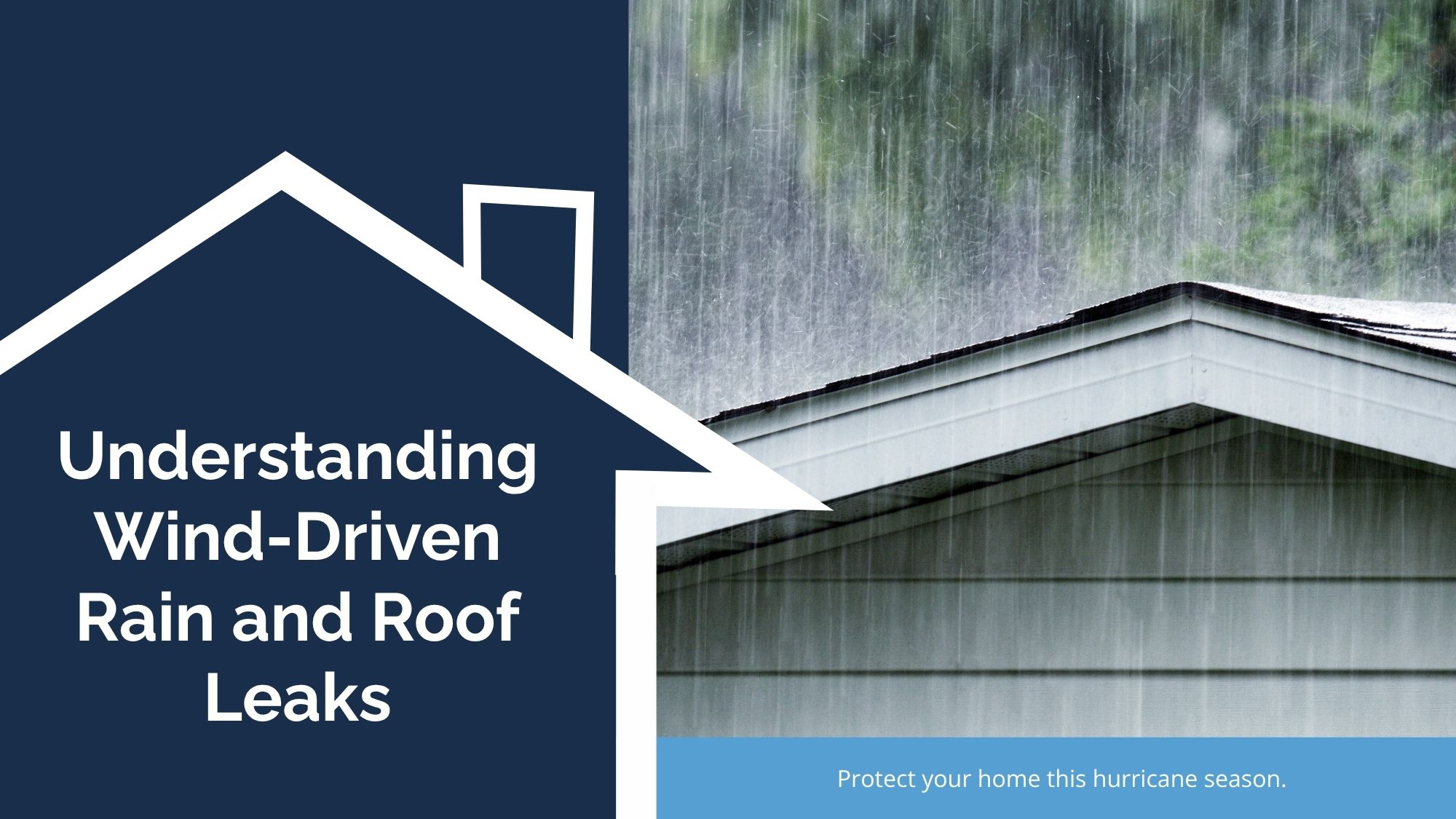
As hurricane season begins along the North Carolina coast, many homeowners focus on preparing for strong winds, flooding, and falling debris. While these are all important concerns, there is another roofing threat that often goes unnoticed until damage has already occurred: wind-driven rain.
Unlike a typical rainstorm, hurricanes and tropical systems can force rain sideways, allowing water to reach areas of your roof that normally stay dry. Even a roof that appears to be in good condition may have small vulnerabilities that become major problems when exposed to heavy rain and high winds.
Understanding how wind-driven rain affects your roof can help you identify potential issues before they lead to costly repairs during hurricane season.
What Is Wind-Driven Rain?
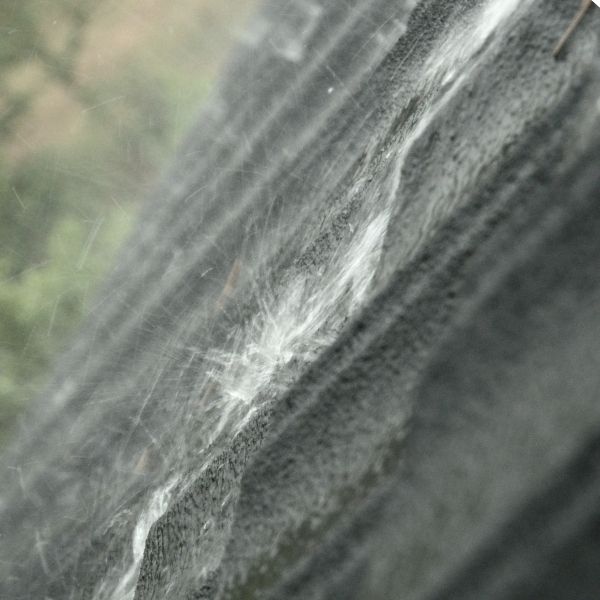
Wind-driven rain occurs when strong winds push rain horizontally rather than allowing it to fall straight down. During hurricanes and tropical storms, wind can force water beneath shingles, around flashing, and into small openings that would never leak during a normal rainfall.
This is one reason some homeowners only notice leaks during severe weather. Their roof may perform perfectly during everyday storms, but once wind speeds increase, water can find its way into vulnerable areas.
Some of the most common entry points include:
When these components begin to wear down, wind-driven rain can exploit even the smallest gap.
Why Coastal North Carolina Roofs Face Greater Risk
Living near the coast means your roof is exposed to conditions that many inland homes never experience. Salt air, humidity, intense sun exposure, and frequent storms can all take a toll on roofing materials over time.
While shingles are designed to withstand the elements, years of exposure can weaken seal strips, deteriorate flashing, and create small openings that aren’t always visible from the ground. During hurricane season, those minor issues can quickly become leak points.
Another challenge is that the source of a leak isn’t always obvious. Water may enter near a vent or flashing detail and travel through the roof system before appearing as a stain on a ceiling or wall. Because of this, many homeowners underestimate the extent of the problem until significant water damage has already occurred.
Regular inspections can help identify these weak points before the most active part of hurricane season arrives.
Warning Signs to Watch for After a Storm
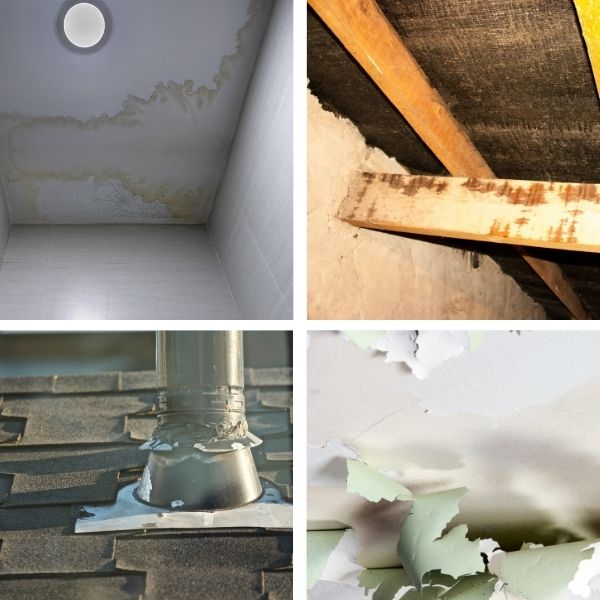
Not every roof leak is dramatic. In many cases, the earliest warning signs are subtle and easy to miss.
After a major storm, take a few minutes to look for:
You don’t need to climb onto your roof to identify potential concerns. In fact, it’s safer to inspect from the ground and check your attic for signs of moisture if it is accessible.
If you notice any of these issues, it’s best to have a roofing professional perform a more detailed inspection.
How to Protect Your Roof This Hurricane Season
The good news is that many wind-driven rain issues can be prevented with routine maintenance and timely repairs.
Before hurricane season ramps up, homeowners should consider:
- Scheduling a professional roof inspection
- Repairing loose or damaged shingles
- Replacing worn pipe boots or sealants
- Inspecting flashing around roof penetrations
- Cleaning gutters and downspouts
- Removing debris from roof valleys
- Trimming overhanging tree branches
A roof is more than just shingles. Every component works together to keep water out of your home. Addressing small maintenance issues now can help reduce the risk of costly leaks later in the season.
Protect Your Home Before the Next Storm
Hurricane season in Wilmington, Leland, Hampstead, Carolina Beach, and surrounding coastal communities can bring unpredictable weather. While no roof can eliminate every risk, a well-maintained roofing system is far better equipped to handle wind-driven rain and severe storms.
If it’s been a while since your last roof inspection, now is a great time to make sure your home is ready. Identifying minor issues before they become major leaks can save time, money, and stress when the next tropical system moves through our area.
At Twin Anchors Roofing, we’re committed to helping homeowners protect their investment with honest recommendations, quality workmanship, and roofing solutions built for coastal North Carolina weather.
Schedule your roof inspection with us today and get ahead of issues before they show up inside your home.