Understanding Attic Ventilation and What It Means for Your Roof
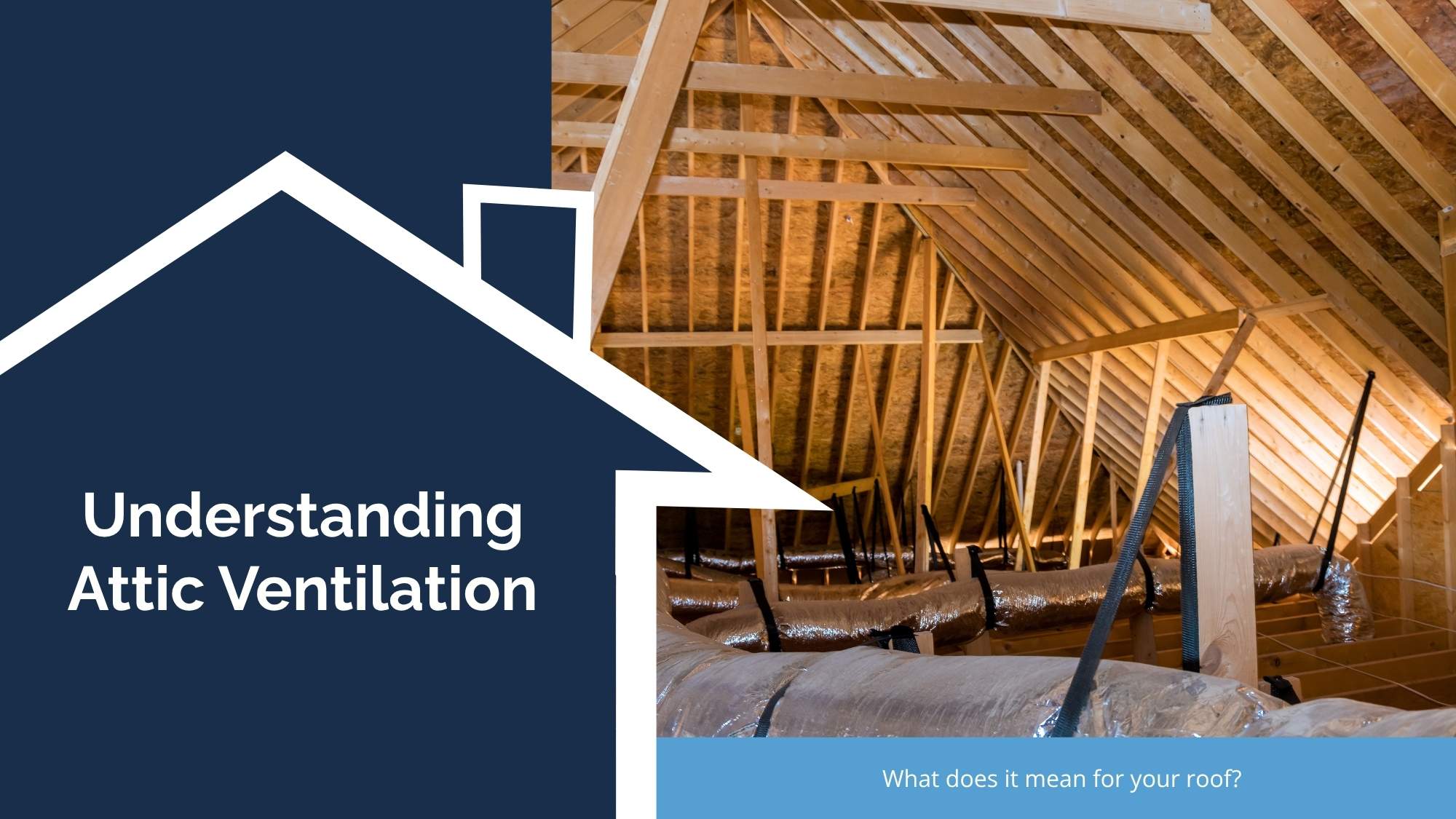
Most homeowners don’t spend much time thinking about their attic. It’s out of sight, so it’s easy to forget about. But what’s happening up there has a direct impact on how long your roof lasts, how your home feels inside, and even how much you spend on energy.
If your attic isn’t ventilated properly, your roof is working harder than it should. Over time, that can lead to bigger and more expensive problems.
Let’s break down how attic ventilation works, why it matters, and the difference between soffit, eave, and ridge vents so you can better understand what your home needs.
Why Attic Ventilation Matters
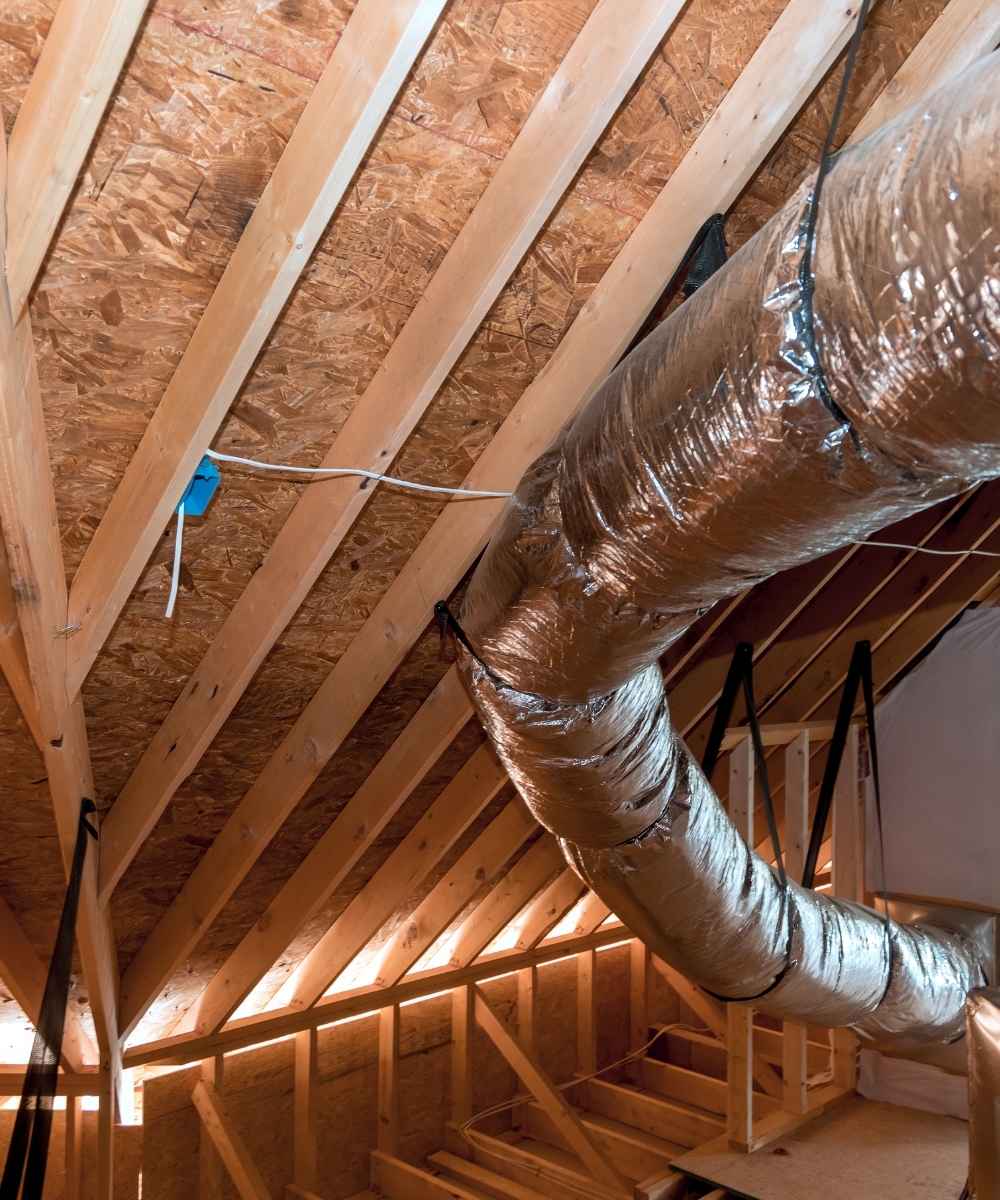
Your attic is constantly dealing with heat and moisture. In the summer, it traps hot air from the sun beating down on your roof. In the winter, warm air from inside your home rises and carries moisture with it.
Without proper ventilation, that heat and moisture get stuck.
Here’s what that can lead to:
Good ventilation keeps air moving. It allows hot, humid air to escape while pulling in cooler, fresh air. That balance is what protects both your roof and your home.
The Basics: Intake and Exhaust
A properly ventilated attic needs two things working together:
- Intake vents that bring fresh air in
- Exhaust vents that let hot, stale air out
If you only have one without the other, the system doesn’t work the way it should.
Think of it like airflow through your home. You need both entry and exit points to keep things moving.
Soffit and Eave Vents: Your Intake System
Soffit and eave vents are typically installed along the lower edges of your roof, under the overhang.
These vents are responsible for pulling in cooler air from outside and feeding it into your attic space.
What makes them important:
Without proper intake ventilation, your attic can’t “breathe.” Even if you have exhaust vents, they won’t work efficiently without a steady supply of incoming air.
Common issues we see:
When we inspect roofs, this is one of the first things we check because it directly affects everything else.
Ridge Vents: Your Exhaust System
Ridge vents are installed along the peak of your roof. Since hot air naturally rises, this is the perfect place to let it escape.
Instead of trapping heat at the top of your attic, ridge vents allow it to flow out continuously.
Why ridge vents work so well:
When paired with proper soffit or eave vents, ridge vents create a natural airflow cycle. Cool air enters from below, warm air exits from above. This is what you want.
Soffit vs Ridge Vents: It’s Not One or the Other
A lot of homeowners think it’s a choice between soffit vents and ridge vents, but the truth is, they are designed to work together.
- Soffit and eave vents bring air in
- Ridge vents let air out
If one part of the system is missing or not working properly, the whole setup becomes less effective.
For example:
- Ridge vents without intake vents can pull air from inside your home instead of outside
- Intake vents without proper exhaust can trap heat and moisture in the attic
The goal is balance. When both are installed correctly, your attic stays cooler, drier, and healthier.
How Poor Ventilation Affects Your Roof
When airflow is restricted, your roof takes the hit.
Over time, you might notice:
These problems don’t always show up right away, but they build over time. By the time you see visible damage, your roof may already be under stress.
What We Look For During a Roof Inspection
When you come to us for an inspection, we don’t just look at shingles. We take a full look at how your roofing system is functioning, including ventilation.
We check:
This helps us catch issues early and recommend solutions that actually improve the life of your roof, not just patch surface problems.
Don’t Wait Until Ventilation Becomes a Problem
If you’re not sure how well your attic is ventilated, now is the time to find out. Ventilation issues often go unnoticed until they start affecting your roof, your comfort, and your wallet.
Let us take a look.
Our team can inspect your roof and attic, explain exactly what’s going on, and help you make the right call for your home.
Schedule your roof inspection with us today and make sure your ventilation is working for you, not against you.