What Is Low-Slope Roofing and Where Is It Commonly Used?
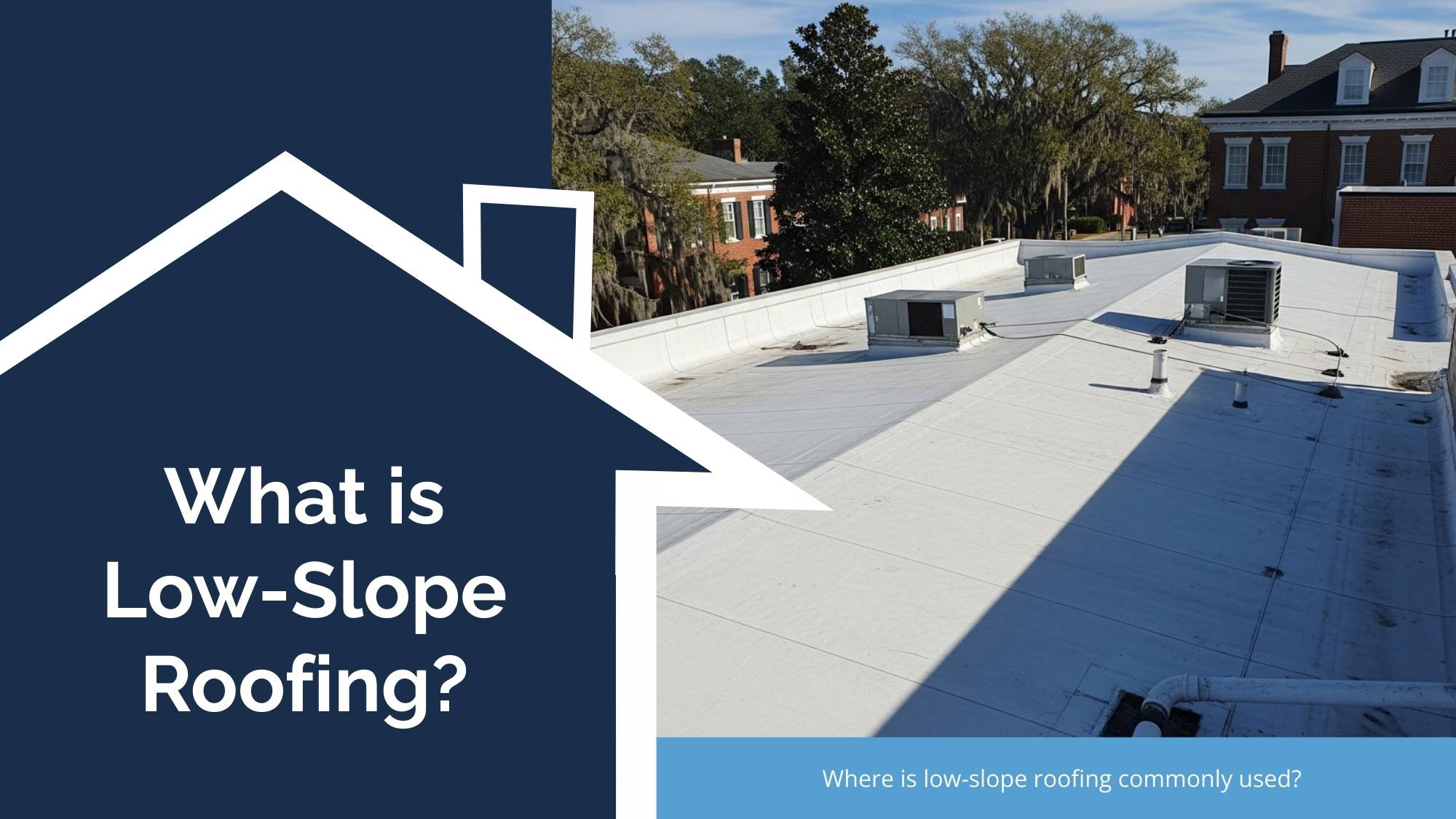
Low-slope roofing is commonly found on commercial buildings and certain residential structures where a traditional steep-pitched roof is not practical. While these roofs may appear flat, they are designed with a slight slope to allow for proper water drainage. Because water does not shed as quickly as it does on steep roofs, low slope systems require specialized materials and installation techniques.
At Twin Anchors Roofing, we install EPDM, TPO, and PVC low-slope roofing systems designed to handle heavy rain, standing water, and the demanding conditions common in coastal North Carolina.
What Defines A Low Slope Roof?
A low slope roof typically has a pitch of less than 3 inches of vertical rise for every 12 inches of horizontal run. This design is common on commercial buildings, warehouses, retail spaces, medical facilities, and some modern residential homes.
Because water drains more slowly on low-slope roofs, the materials used must be fully waterproof, durable, and properly sealed to prevent leaks and moisture intrusion.
Common Uses for Low Slope Roofing
Low-slope roofing systems are most often used on:
These roofing systems are especially popular in coastal areas like Wilmington, NC, where heavy rain and storms are common.
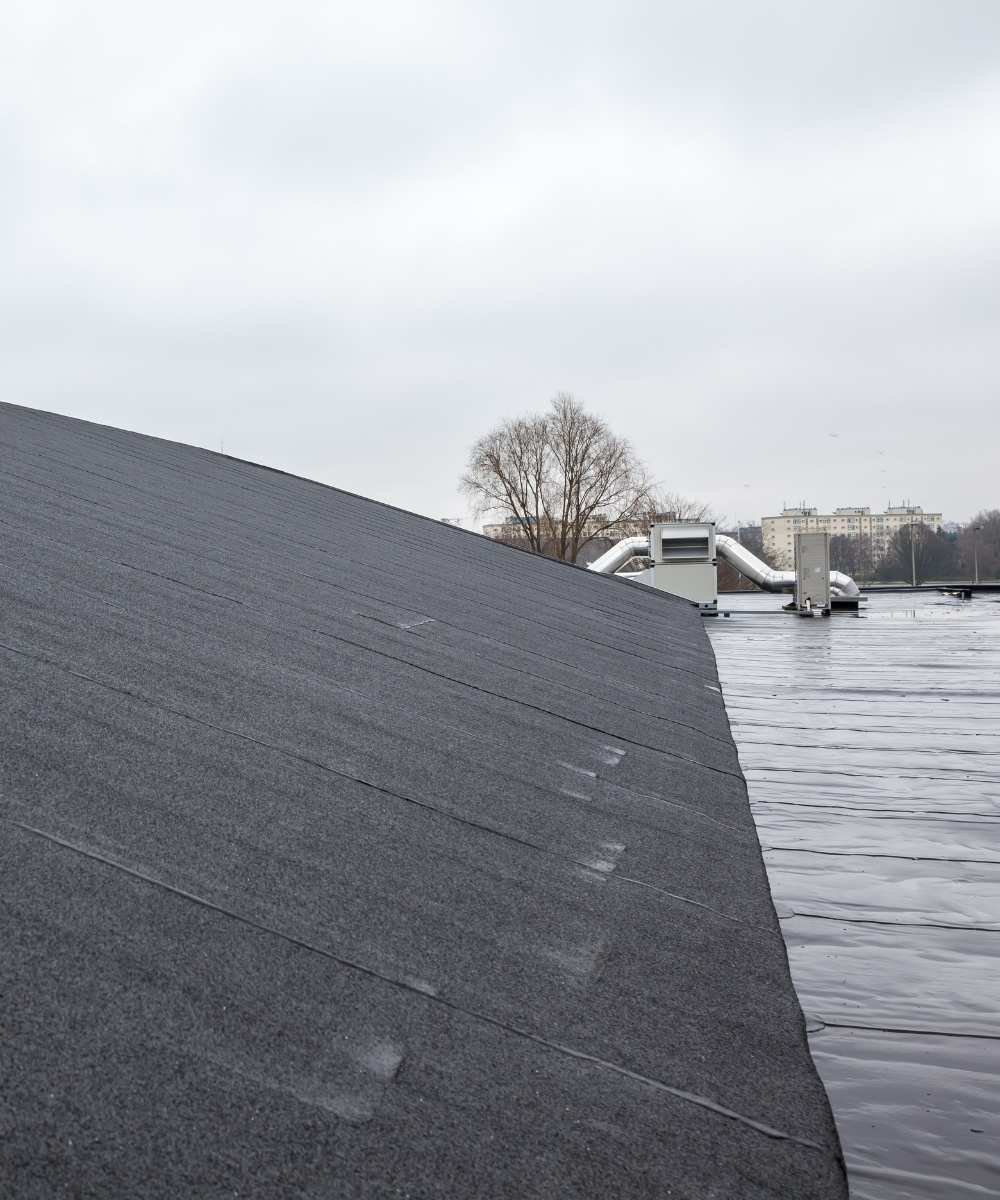
EPDM, TPO, and PVC Low Slope Roofing Systems
Flat and low-slope roofs require materials specifically engineered to perform under constant exposure to moisture. Twin Anchors Roofing provides expert installation of EPDM, TPO, and PVC roofing systems, each designed to meet the unique demands of commercial buildings and select residential applications.
Why Proper Installation Matters for Low Slope Roofs
Low-slope roofing systems rely heavily on correct installation. Seams, flashing, and drainage components must be properly installed for long-term performance. Poor installation can lead to standing water, leaks, and premature roof failure.
Working with a contractor experienced in low-slope roofing systems helps to make sure the roof is designed and installed to handle local weather conditions.
Choosing the Right Low Slope Roofing System
Selecting the right material depends on the building type, budget, energy goals, and exposure to environmental factors. A professional evaluation can help determine whether EPDM, TPO, or PVC is the best fit for your property.
If you are considering a low-slope roofing system or want to learn which option is right for your building, contact Twin Anchors Roofing today.